Understanding Drills: SDS Rotary Hammers and Combi Drills
How rotary hammers, combi drills and impact drivers differ in their mechanisms, drilling capabilities and handling.
Published
Rotary hammer (SDS)
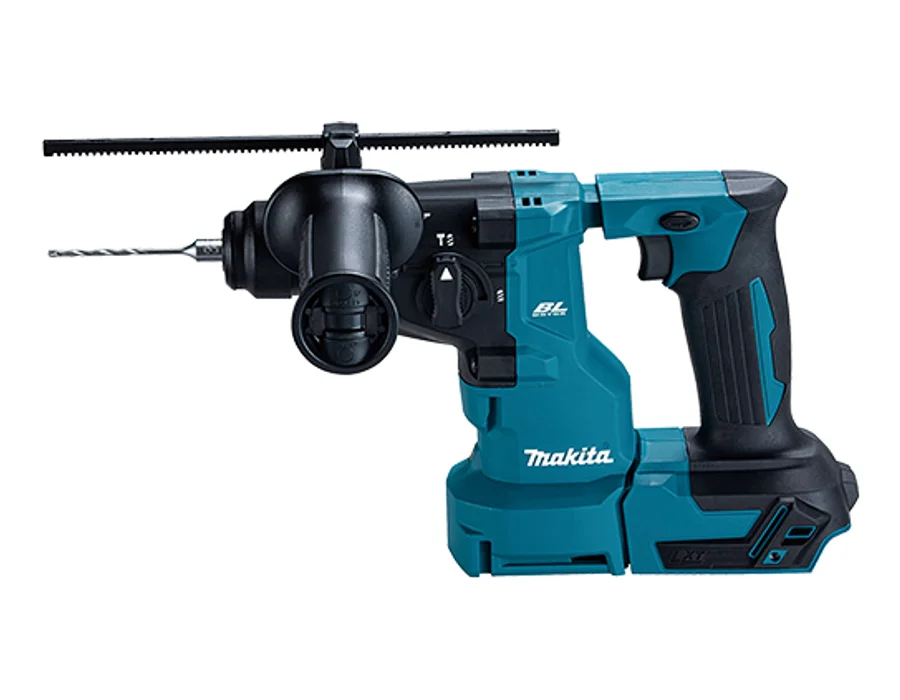
An SDS drill uses an actively driven pneumatic piston mechanism to deliver powerful impacts. It generally operates at lower RPM, making it ideal for drilling concrete and brick. It can also drill metal and wood in rotation-only mode, although the lower RPM makes it less suitable for some wood-drilling applications.
There is a wide range of SDS drills, so choosing the right model depends on the size of the holes you need to drill. For example, the 18V Makita DHR183 is rated for holes up to 18 mm in concrete. This is the smallest model I’d personally consider. At just 1.5 kg without a battery, it’s lighter yet more powerful than some 12V variants, like Milwaukee’s M12 FUEL 16mm SDS.
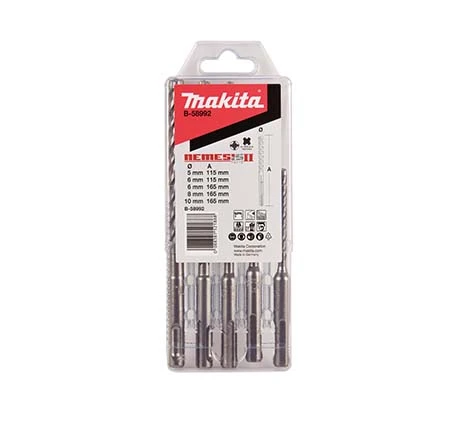
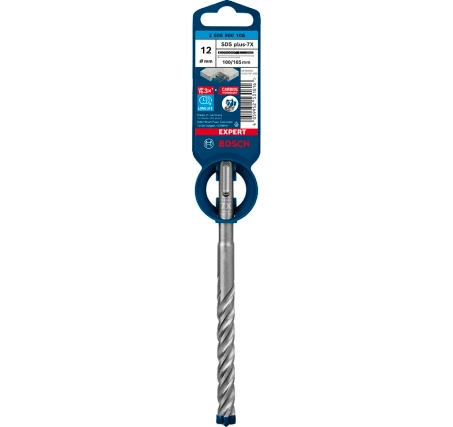
One advantage of SDS rotary hammers is the easy availability of premium masonry drill bits with one-piece, solid-carbide four-cutter heads. Examples include Makita’s NEMESIS II in diameters from 5–10 mm and Bosch’s EXPERT SDS Plus-7X across a much wider 3.5–30 mm range. These designs offer greater durability and improved drilling performance, particularly in hard or reinforced concrete, and are generally unavailable for conventional hammer drills with three-jaw chucks.
Combination Drill (Hammer Drill)
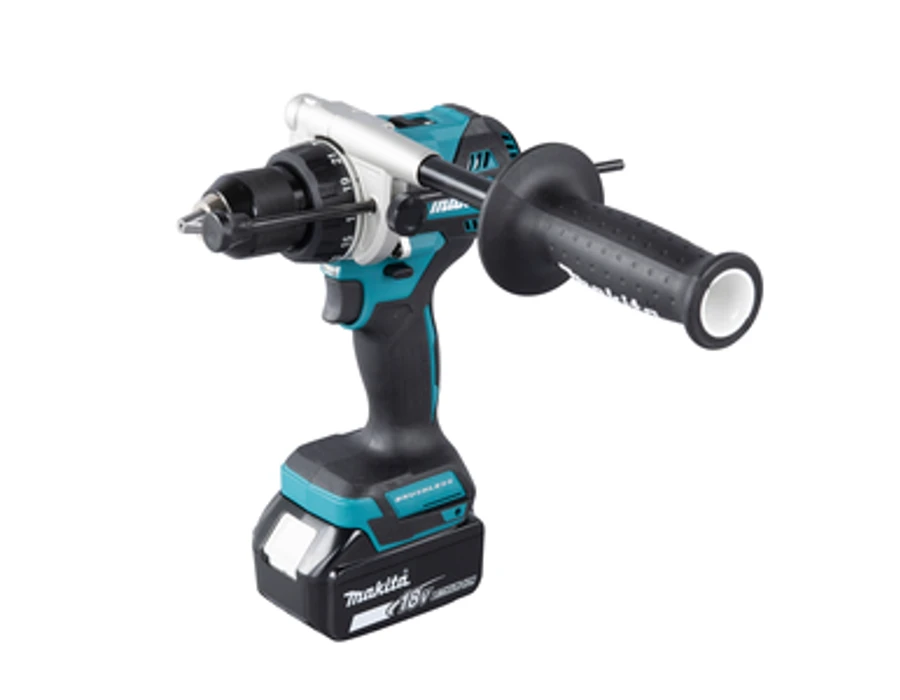
A combi drill (aka hammer drill) is essentially a regular drill-driver with an added hammer mode. It’s a general-purpose, high-RPM drill primarily suited for wood and metal in rotation-only mode. Its multi-speed gearbox lets you select between high RPM with lower torque for wood and low RPM with higher torque for metal. An adjustable torque clutch also helps prevent overdriving screws.
The hammer function uses a passive mechanical cam-plate mechanism that generates weak, rapid impacts when forward pressure is applied. This allows the drill to double as a masonry drill, although it’s generally only effective for smaller holes in brick and softer masonry due to its low impact energy. For serious concrete drilling, an SDS rotary hammer is far more effective.
While carbide-tipped masonry bits are widely available for conventional hammer drills, premium bits with one-piece solid-carbide heads are generally only available for SDS rotary hammers.
Impact Drivers
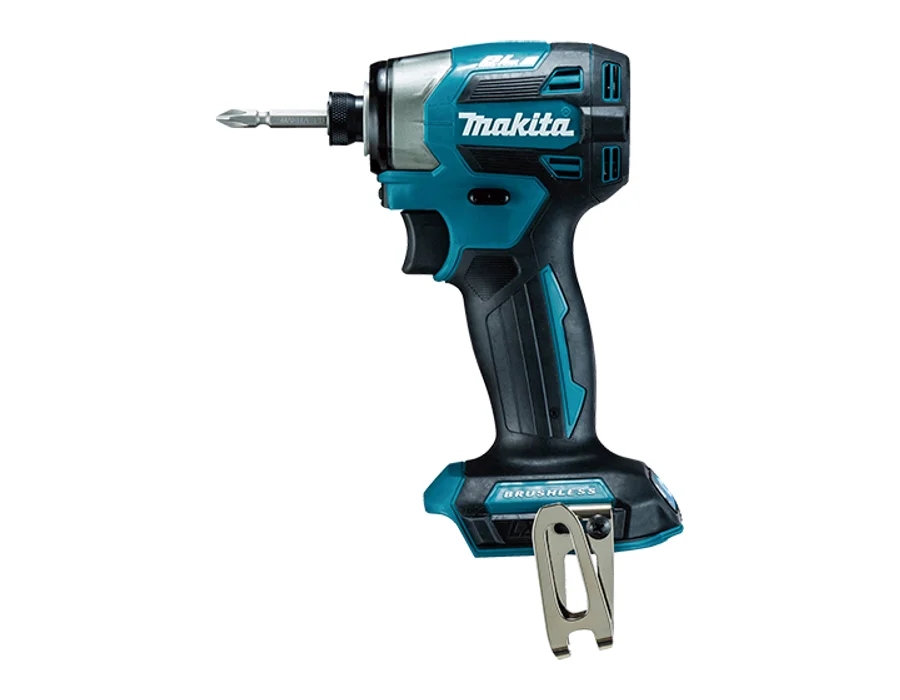
Drill-drivers are inherently bulky and relatively heavy due in part to their chucks, making them less suitable for driving screws compared to an installation driver, electric screwdriver, or impact driver. An impact driver can deliver very high fastening torque (Makita TD173 = 180 Nm) with virtually no kickback, making one-handed operation more practical. High-torque drill-drivers, on the other hand, can kick back violently if the bit binds, potentially causing serious injury. Using the side handle and a two-handed grip is advisable.
Sources
Makita Japan’s environmental report lists the HR183D tool body alone at 1.5 kg, with the battery, side grip and dust-extraction system listed separately. Its HR183D specifications list an 18 mm concrete-drilling capacity and a weight of 2.2 kg with the BL1860B battery fitted and the side grip removed. The article’s 1.5 kg figure therefore refers to the tool body alone.
Milwaukee New Zealand lists the M12FHAC160 at 1.7 kg, with a 16 mm concrete-drilling capacity and 1.2 J impact energy.
Makita Germany documents the pictured DHP492’s two-speed gearbox and 21-stage torque adjustment. Makita Japan documents the TD173D’s maximum fastening torque of 180 Nm.